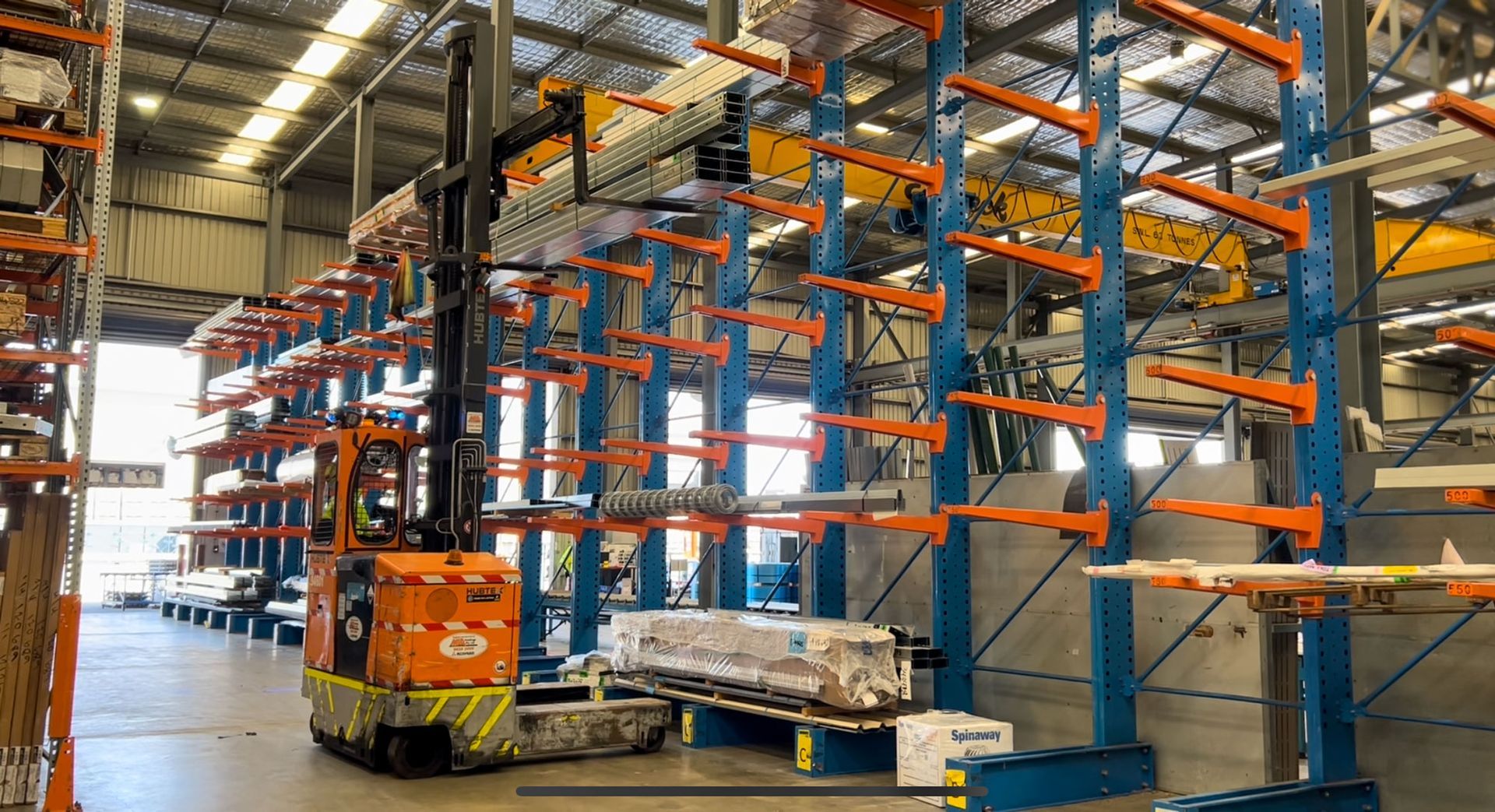
Perth's Labour Pool to Tighten 10 - 15% by 2027
Perth’s Labour Pool Set to Tighten 10–15% by 2027 - What It Means for Employers
Western Australia’s infrastructure, defence and housing pipeline is creating the most competitive recruitment landscape Perth has seen in more than a decade. With demand surging across construction, manufacturing, transport and civil projects, the labour pool is set to tighten by 10–15% between mid-2026 and late-2027.
The question for employers is simple: are you prepared?
What's Driving Labour Shortage?
A perfect storm of factors is converging, creating pressure across both skilled and semi-skilled labour:
1. Major Project Overlap
Henderson Defence development, Tonkin Highway upgrades, and METRONET expansions are all drawing from the same trades at the same time. These projects alone will require thousands of workers over the next decade.
2. Housing & Civil Expansion
The State Government’s $1.4B housing program plus private-sector builds are accelerating demand for labour across the metro area.
3. Ageing Workforce & Apprenticeship Lag
More tradespeople are retiring, while apprenticeship completions aren’t keeping pace.
4. Slower Migration Recovery
Even with borders open, the inflow of qualified trades and technical workers remains below pre-pandemic levels.
The result: fewer workers available for more projects, with the tightest squeeze expected during 2026–2027.
Who Will Feel It the Most?
Manufacturing and fabrication workshops are set to face the toughest competition, as site-based projects draw workers toward higher pay and longer contracts.
High-pressure roles include:
- Boilermakers, welders & fitters
- Electrical & instrumentation technicians
- QA inspectors & fabrication supervisors
- Semi-skilled labourers, TAs, forklift operators & materials handlers
These roles are already difficult to fill. Over the next three years, lead times will stretch even further.
The Impact on Manufacturers
While WA’s project pipeline is positive for the economy, it poses major challenges for businesses relying on stable, skilled labour.
You can expect:
Wages Rising 8–12%. Competition will push pay rates higher, especially across trades and technical roles.
Recruitment Delays 30 → 45+ Days. Time-to-fill will increase as workers gravitate toward large-scale Defence, infrastructure and civil projects.
Productivity Pressure. Smaller crews, more overtime, risk of burnout and quality decline.
Margin Compression. Labour costs will rise faster than billable rates, especially for businesses locked into fixed-price contracts.
Even with strong order books, workforce shortages may become the biggest constraint on delivery.
A Structural Shortage, Not Just a Cycle
This tightening won’t disappear once the next project ends.
With population growth slowing, migration still recovering, and training pipelines years behind, WA is entering a structural shortage of skilled labour.
The competition for talent will continue well beyond 2027.
How Employers Can Prepare
The next 12 months are critical. Employers who act early will be best positioned to navigate the tightening market.
Here’s where to start:
1. Lock in key people early
Identify critical roles and secure your top performers before demand peaks.
2. Strengthen retention
Focus on engagement, training, safety and career development to reduce churn.
3. Develop pathways
Invest in apprenticeships, traineeships and up skilling to build your own talent pipeline.
4. Partner strategically
Work with recruitment specialists who understand the WA market and can help forecast workforce needs before they become urgent.
Final Takeaway
WA’s infrastructure boom represents a major opportunity - but only for employers who prepare.
The businesses that plan ahead, strengthen their workforce foundations, and build strategic recruitment partnerships now will thrive when competition for talent hits its peak.
The tightening is coming.
Now is the time to act.
Take Action Today
Don’t wait for the labour shortage to impact your business.
Connect with our team today to discuss how to secure and retain the skilled workforce your business needs to succeed.